
Lighting is often the silent hero—or the hidden villain—of interior design. You can spend a fortune on furniture, paint, and decor, but if your lighting is flat, uneven, or poorly positioned, the room loses its impact. Whether you’re a homeowner trying to avoid “the cave effect” or a designer pitching a client concept, being able to visualize light placement and fixture performance before committing to installation is a game-changer.
Gone are the days of guessing where a pendant light should hang or whether a wall sconce will provide enough illumination for a reading corner. Modern lighting design apps have become remarkably sophisticated, combining augmented reality (AR), 3D modeling, and increasingly realistic rendering technology.
For homeowners, these tools can prevent expensive mistakes before purchasing fixtures. For interior designers, contractors, and architects, they offer a faster way to communicate ideas to clients and validate lighting layouts before installation begins. We spent weeks testing mobile apps that bridge the gap between creative vision and technical execution, paying particular attention to ease of use, rendering quality, fixture libraries, and lighting realism. Here are our top picks for 2026.
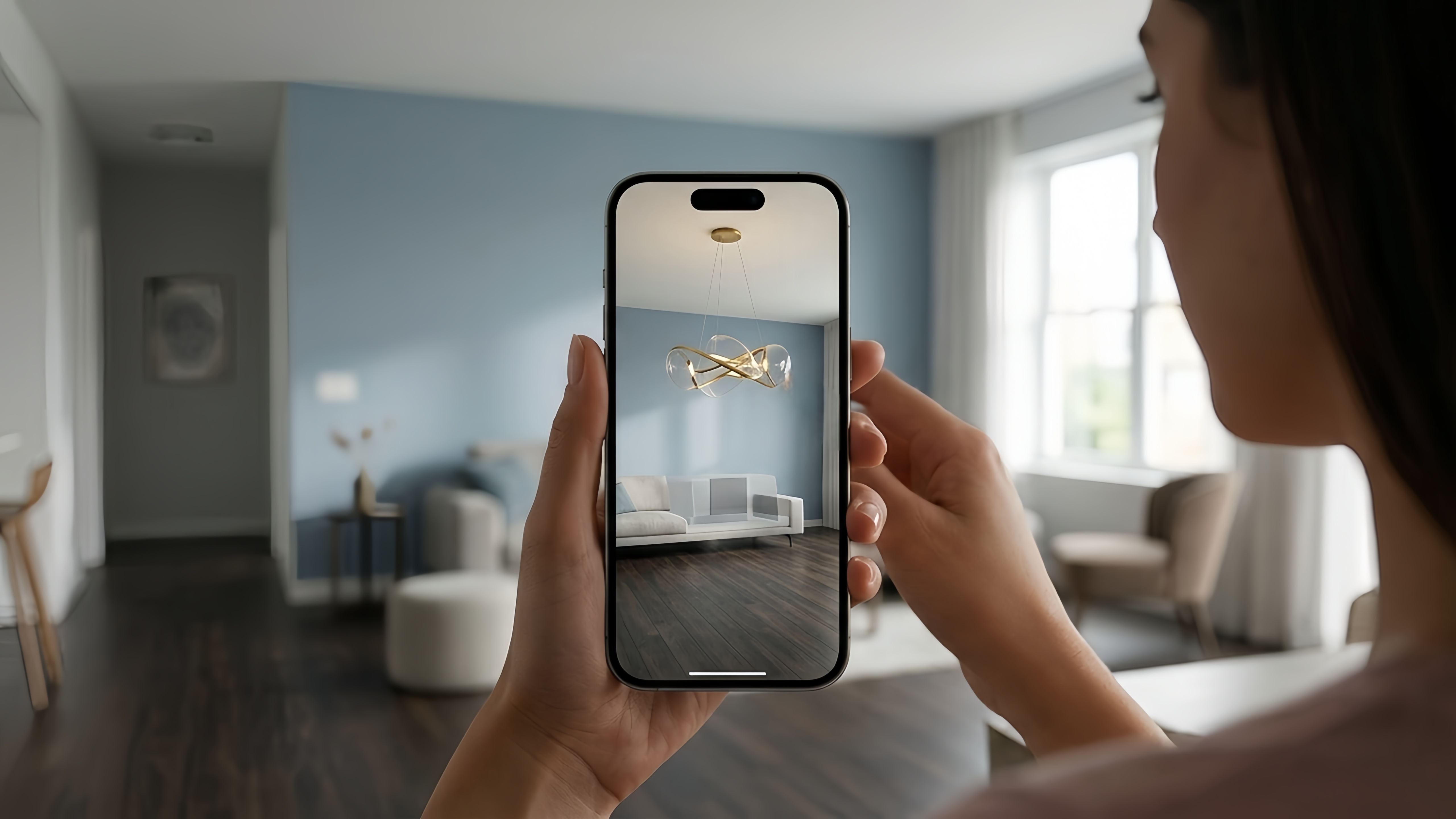
The Reality Check: Homestyler strikes the sweet spot between accessibility and realism. It offers one of the largest libraries of real-world furniture and lighting brands, making it ideal for homeowners, renters, or interior design enthusiasts who want to see how actual products fit in their spaces. The standout feature is AR Design, which lets you place 3D models of light fixtures into your real-world room and adjust their orientation and intensity.
Another advantage is its accessibility. Even users with no prior interior design experience can create convincing room mockups within minutes. The interface feels approachable, making it a strong choice for homeowners planning renovations, apartment makeovers, or new furniture purchases.
Pros:
Access to over 10 million brand-name furniture and lighting models.
Accurate light placement and intensity visualization.
Cloud-based rendering allows high-quality images without taxing your phone.
Cons:
Free tier is limited; frequent HD renders require a paid subscription.
Best results require a stable internet connection.
Why It Works: Homestyler is ideal for anyone who wants to quickly visualize a room with realistic lighting while experimenting with brand-specific products. For most homeowners, this app is both practical and inspiring.
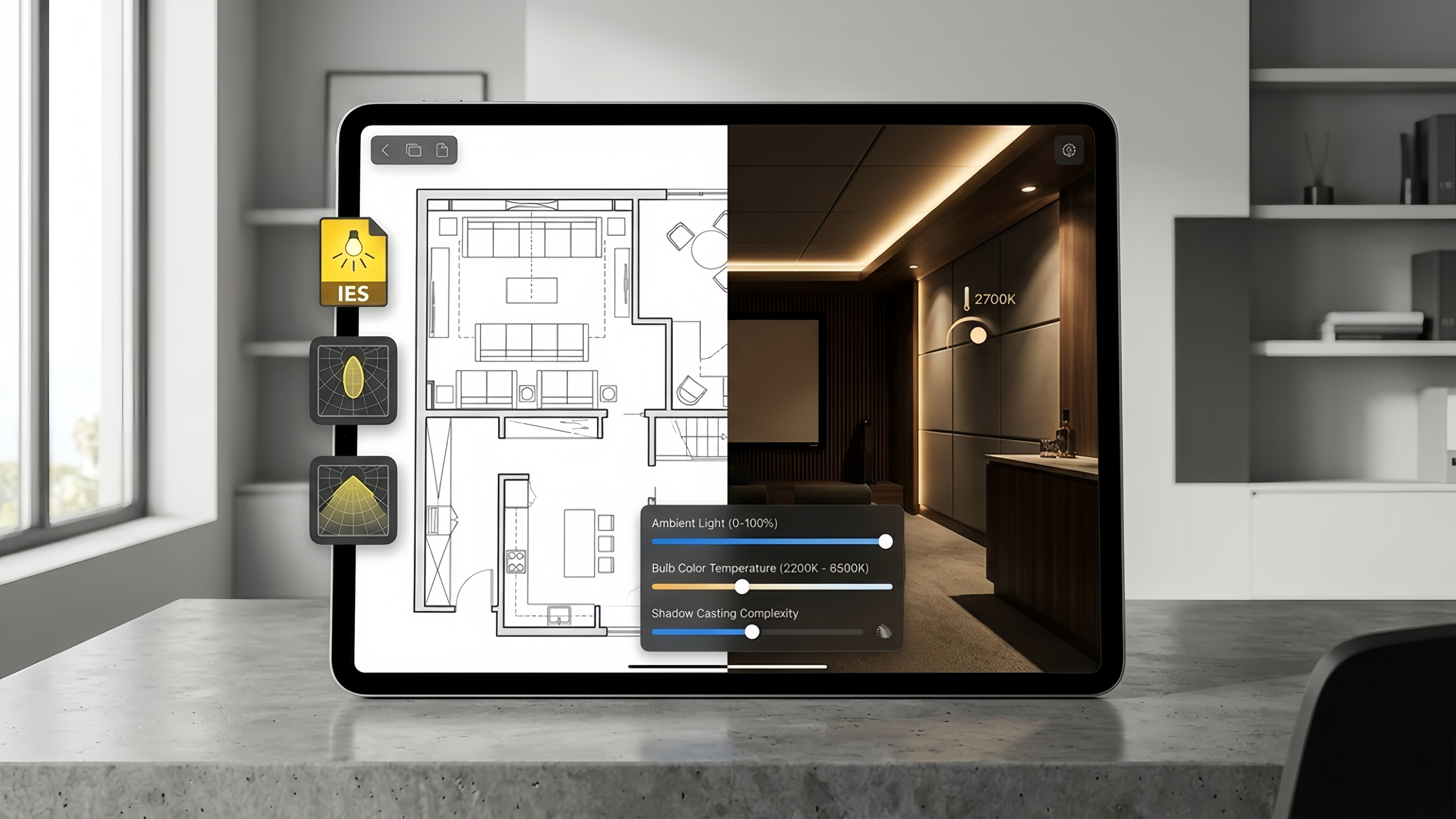
The Reality Check: If you want to move beyond basic room staging and into architectural lighting design, Live Home 3D is unmatched. During testing, we found that it allows precise control over ambient light, bulb color temperature (Kelvin), and shadow casting. You can simulate how natural daylight combines with artificial lighting throughout the day, which is crucial for planning renovations or large-scale installations.
We also appreciated how well the app handles mixed lighting scenarios. Being able to combine daylight, recessed lighting, and decorative fixtures in a single scene makes it easier to understand how a space will function throughout different times of the day.
Pros:
Complete control over lighting parameters—brightness, color, and source type.
Excellent 2D-to-3D transition for remodeling projects.
Natively available on both mobile and desktop.
Cons:
Steeper learning curve compared to drag-and-drop apps.
Advanced features require a subscription or one-time purchase.
Why It Works: Live Home 3D is perfect for serious DIYers and designers who want more than just a pretty picture—they need accuracy in lighting dynamics and planning.
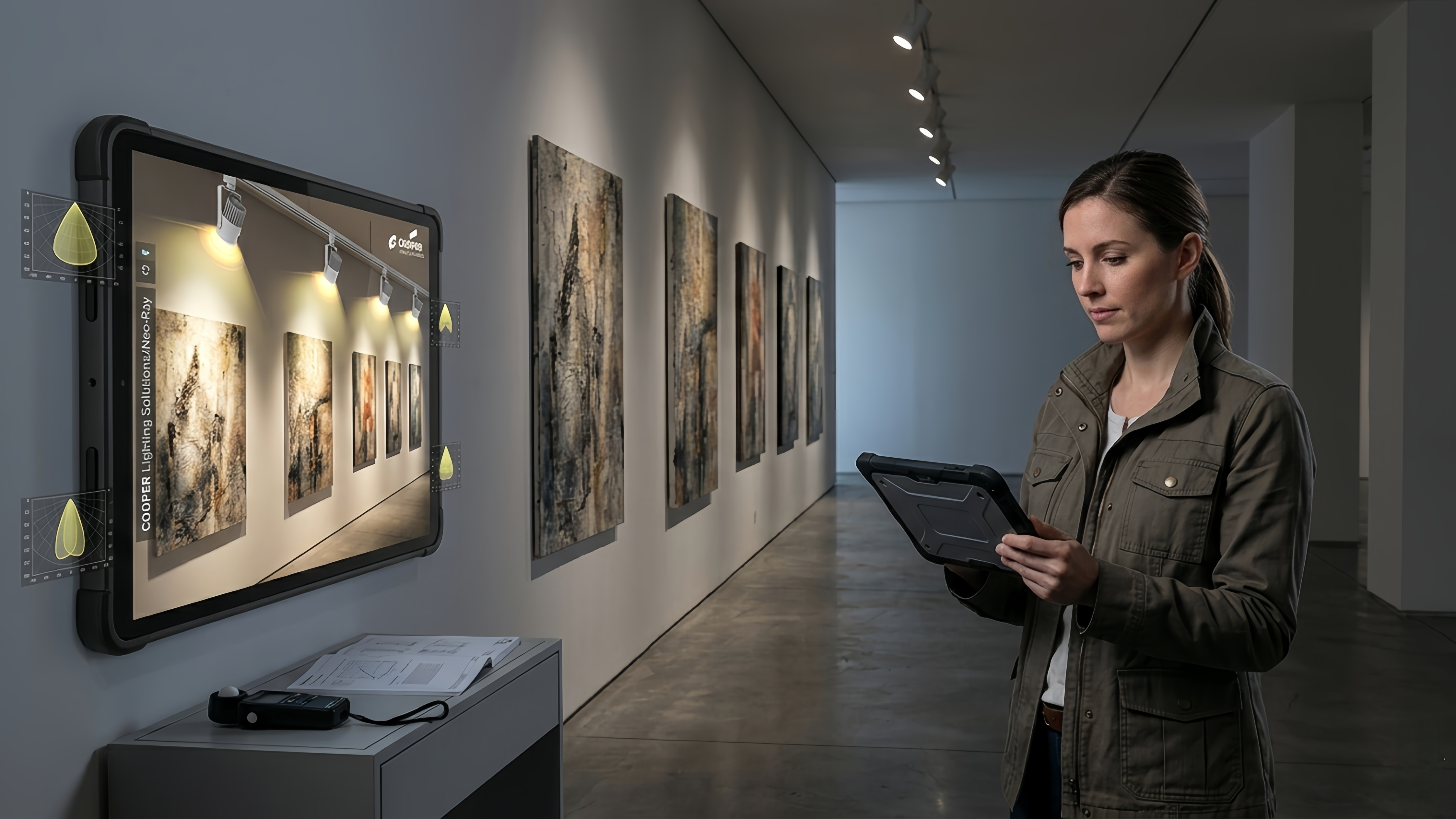
The Reality Check: Developed by Cooper Lighting Solutions, this app is a professional-grade simulation tool. Unlike general design apps, it is built for architects, contractors, and lighting specialists. It uses photometric data to simulate exactly how light spreads in a space, making it invaluable for commercial or outdoor projects where precision matters.
While casual users may find the interface intimidating at first, professionals will appreciate the emphasis on measurable lighting performance. For projects where compliance, safety, or precise illumination levels matter, this level of detail can be extremely valuable.
Pros:
Real-world photometric data for accurate light behavior.
Ideal for commercial, industrial, and retail lighting layouts.
Free and highly precise.
Cons:
Not aimed at casual home users; interface is utilitarian.
Limited to Cooper Lighting brand fixtures.
Why It Works: Light ARchitect removes guesswork for lighting professionals. If your goal is to ensure a specific fixture meets design or regulatory standards, this app is indispensable.
The Reality Check: Planner 5D excels at visual storytelling. While it’s less technical than Light ARchitect, it offers a realistic 3D walkthrough with day/night toggles. During testing, we were impressed by how accurately it simulated pools of light from floor lamps and pendants, giving a strong sense of ambience before purchasing any fixture.
Planner 5D also excels at helping users experiment with different design styles. Whether you're considering a minimalist Scandinavian aesthetic or a warmer traditional look, changing fixtures and lighting arrangements is quick and intuitive.
Pros:
Intuitive day/night lighting toggle.
Fast 3D walkthrough for quick design visualization.
Large community for design feedback and inspiration.
Cons:
Photorealistic rendering often requires a paid subscription.
Some brand-name fixtures are locked behind premium content.
Why It Works: Planner 5D is ideal for homeowners and enthusiasts who want to see how a lighting plan will feel in a space rather than just perform technically.
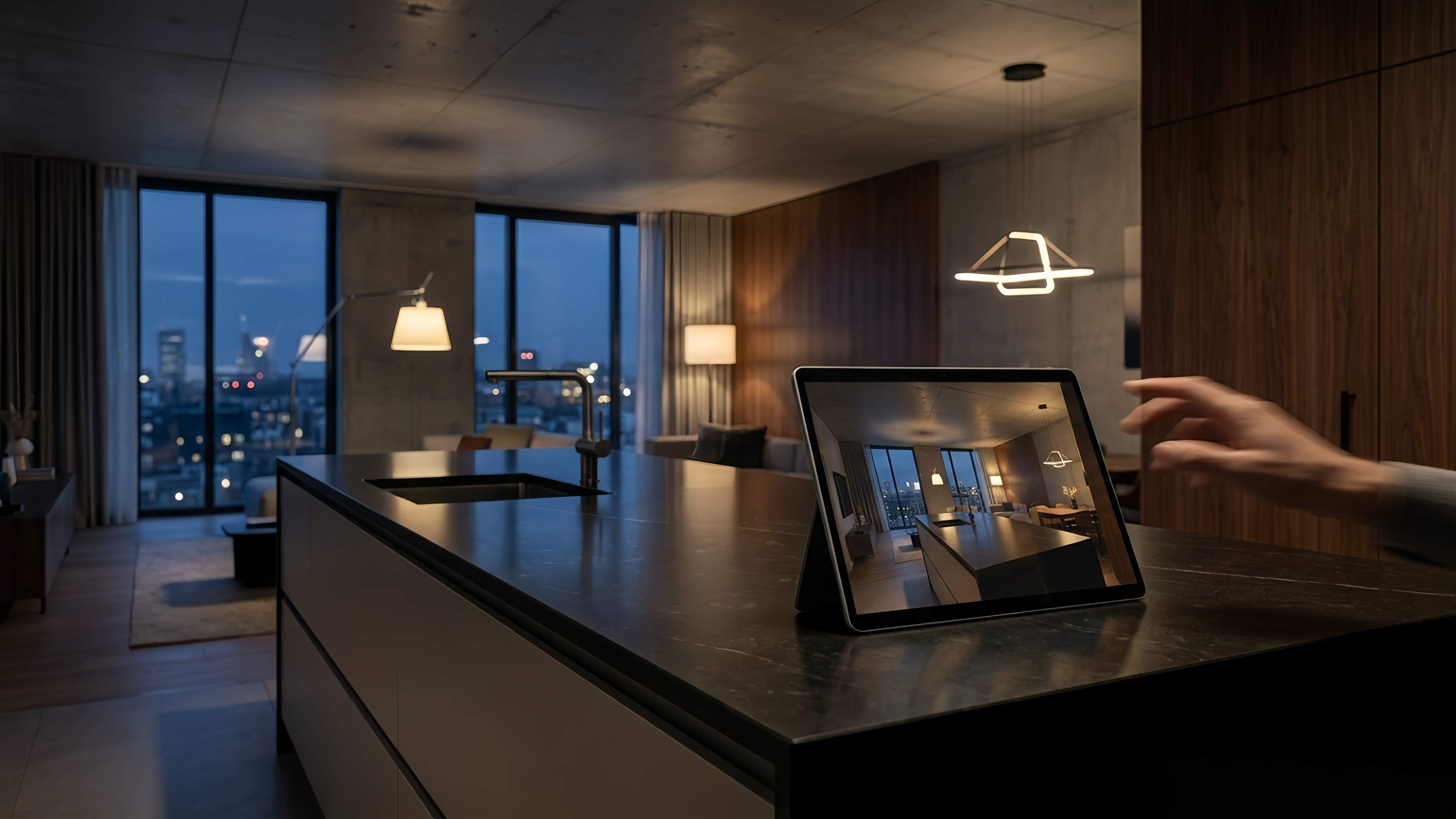
The Reality Check: Beyond smart-home control, the Philips Hue app doubles as a lighting visualization tool for those already invested in the ecosystem. You can map your room, adjust virtual scenes, and preview how different color temperatures and brightness levels affect mood and functionality.
For existing Hue users, this creates a unique advantage over traditional visualization apps. Instead of relying entirely on simulations, you can immediately test different scenes in your actual room and compare the results in real time. This makes it easier to fine-tune lighting for activities such as reading, entertaining, or working from home.
Pros:
Controls real-time lighting in your space.
Natural Light automation shows changes throughout the day.
Helps check how smart lighting integrates with existing decor.
Cons:
Limited to Philips Hue products.
Full functionality requires a Hue Bridge.
Why It Works: Philips Hue bridges the gap between planning and execution. You’re not just visualizing—you’re experiencing the lighting in real time.
For most homeowners and casual designers, Homestyler is the clear winner. Its combination of AR previewing, extensive brand catalog, and accessibility makes it the most practical tool for everyday design projects.
If you are a professional or serious DIYer seeking engineering-level precision, Light ARchitect should be your go-to. Its photometric accuracy ensures that your fixtures will not only look good but also meet functional requirements.
For those who want a middle ground, Live Home 3D and Planner 5D offer excellent walkthroughs with adjustable lighting and realistic rendering, ideal for planning renovations or staging a room for sale. Meanwhile, Philips Hue remains indispensable for anyone wanting to integrate smart lighting control with visualization.
By leveraging these tools, you can confidently select, position, and test lighting before a single wire is installed, saving time, money, and stress while ensuring your space looks—and feels—exactly as intended.