
Why Dedicated Library Organizer Apps Matter
For readers with hundreds of ebooks, manga volumes, graphic novels, and comics, simple reading apps eventually become a mess.
The real challenge is not reading books—it is finding them later.
During testing, the biggest pain points were surprisingly consistent:
Large manga collections become difficult to track.
Duplicate purchases happen more often than people admit.
Most reading apps focus on recommendations rather than organization.
Many library apps lack custom tags, categories, or collection management.
For this guide, the evaluation focused on four criteria:
Custom categories and tagging systems.
Support for books, manga, comics, or mixed collections.
Ease of cataloging large libraries.
Availability on current US App Store or Google Play storefronts.
The following apps are all currently available and actively maintained.

The Reality Check: What Actually Works?
Among all tested apps, Bookshelf delivered the most flexible organization system.
Instead of forcing users into predefined shelves, it allows:
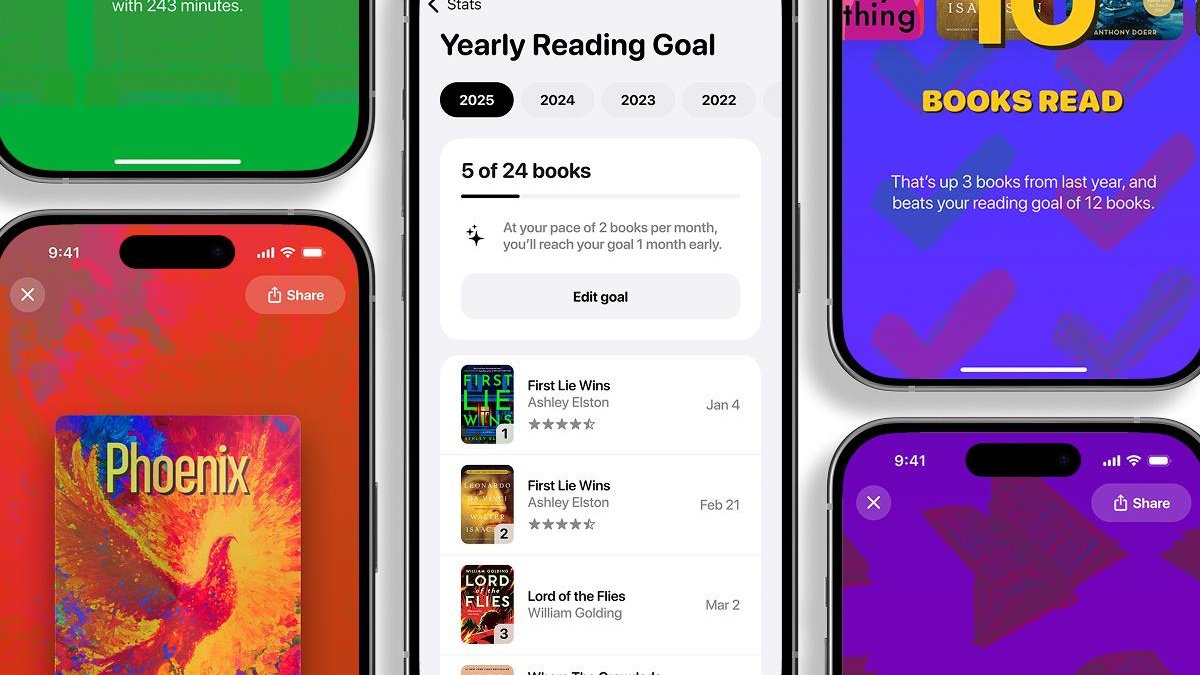
Custom bookshelves
User-created tags
Series organization
Reading-status categories
Advanced filtering
For manga collectors, this flexibility is especially useful. Entire series can be grouped together while also applying custom tags such as:
Shonen
Seinen
Finished Series
Wishlist
Physical Copy
Digital Copy
The ISBN scanner is fast and generally accurate for modern releases.
The app also supports importing libraries from Goodreads exports and CSV files, making migration far easier than most competitors.
Pros
Excellent custom shelf system
Powerful tagging tools
Supports books, manga, and comics
Barcode scanning
Goodreads import
Lifetime purchase option available
Cons
Some advanced features require Bookshelf Pro
Interface can feel overwhelming initially
Pricing
Free tier available
Pro subscription available
Lifetime purchase available ($49.99 in US App Store listing at time of research)
The Reality Check: What Actually Works?
Libib has become something of a cult favorite among collectors.
Unlike many reading-focused apps, Libib was built primarily as a cataloging platform.
During testing, its strongest feature was collection separation.
Users can create completely different collections for:
Books
Manga
Comics
Movies
Games
Custom tags and collections make it surprisingly useful for large libraries.
Community discussions frequently highlight barcode scanning and multi-device syncing as major advantages.
Pros
Excellent for very large collections
Fast barcode scanning
Multi-device syncing
Strong custom collection support
Generous free plan
Cons
Mobile app interface feels dated
Less visually polished than newer competitors
Pricing
Free plan available
Premium plans available for larger libraries
The Reality Check: What Actually Works?
Handy Library focuses heavily on catalog management.
Rather than acting as a reading tracker, it behaves more like a personal librarian.
The standout feature is organization by physical and virtual shelves.
For users managing large collections of manga tankobons, comic omnibuses, or reference books, this level of categorization is surprisingly useful.
The app supports ISBN scanning and allows extensive cataloging workflows. The free version supports cataloging up to 100 books before paid upgrades become necessary.
Pros
Excellent catalog management
Strong barcode scanner
Physical shelf organization
Good for collectors
Cons
Android only
Less attractive interface
Limited free catalog size
Pricing
Free (first 100 books)
In-app purchases available
The Reality Check: What Actually Works?
Shelfy is one of the newest library-management apps currently available.
Unlike social reading platforms, it focuses almost entirely on personal organization.
What impressed testers most was its category system.
Users can create:
Custom categories
Custom tags
Reading states
Favorites
Collection filters
The app specifically mentions support for books and comics, and organizing manga by volume is one of its advertised use cases.
Pros
Clean modern design
Built specifically for organization
Custom categories work well
Fast filtering
Cons
iOS only
Newer app with smaller user base
Pricing
Free core features
Optional subscription for advanced features
The Reality Check: What Actually Works?
StoryGraph is primarily known as a Goodreads alternative, but its tagging and reading-management features make it surprisingly useful for library organization.
It is not the strongest option for hardcore comic collectors.
However, for users whose libraries are mostly books with some manga mixed in, it offers:
Reading status categories
TBR management
Tagging
Detailed filtering
Reading statistics
Community feedback consistently notes that the free version already includes most features users need.
Pros
Excellent reading analytics
Strong filtering tools
Active development
Large community
Cons
Not designed specifically for manga collectors
Some users report occasional UI frustrations
Pricing
Free
Optional StoryGraph Plus subscription
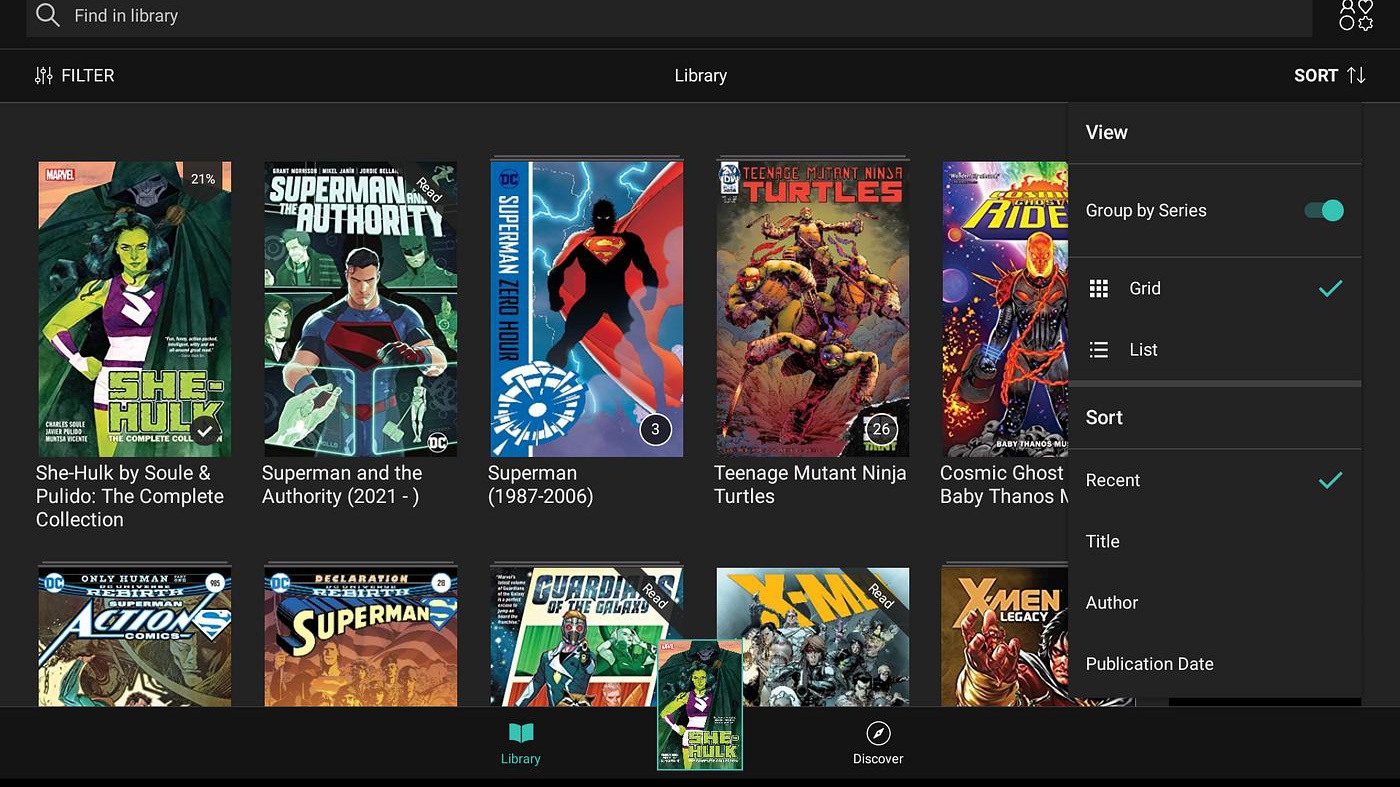
For readers who specifically want to organize a large digital or physical library using custom categories, Bookshelf – Your Virtual Library is currently the strongest overall choice.
It combines:
Custom shelves
Tags
Series management
Barcode scanning
Reading tracking
Import tools
better than any other app tested.
For manga collectors specifically, Bookshelf and Libib remain the two strongest options in 2026 because both allow extensive custom categorization while handling large collections without becoming difficult to manage.