
For many pet parents, the most frustrating part of dog ownership isn’t the occasional chewed shoe—it’s the lingering worry that you’re not addressing behavioral issues correctly. Whether it’s leash reactivity, separation anxiety, or simply basic obedience, the internet is flooded with conflicting advice. Sometimes, a video tutorial isn’t enough, and you need a seasoned professional who can step into your home (or jump on a virtual call) to provide personalized, science-based guidance.

But where do you go to find someone you can actually trust? When we tested various platforms this year, we focused on three specific criteria: verification of credentials, safety and background checks, and ease of booking. Here are the platforms that stood out for finding vetted, professional expertise.
While many know Rover as the go-to app for pet sitting and boarding, it has quietly become one of the most accessible marketplaces for finding certified, reward-based dog trainers in the United States.
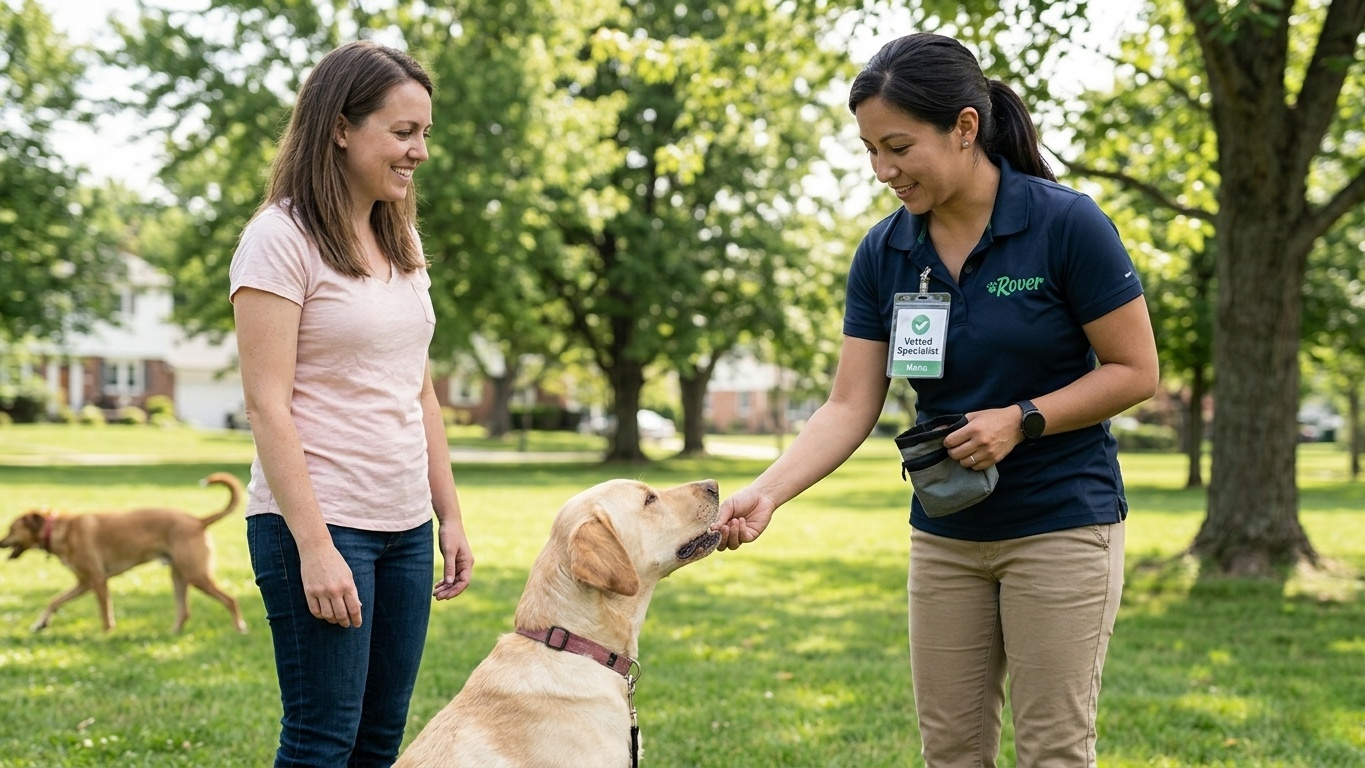
The core strength of Rover’s trainer platform is its vetting process. You aren’t just getting a random person; trainers listed on Rover are required to provide documentation of completed education or certification programs. Furthermore, every trainer must pass a third-party background check and commit to using reward-based (positive reinforcement) methods. During our testing, we found the ability to filter by training specialty—such as puppy manners or leash reactivity—to be particularly intuitive.
Pros:
Vetted Professionals: All trainers must show proof of certification and pass background checks.
Safety-First Approach: Explicit commitment to reward-based, force-free training methods.
Direct Communication: The app’s built-in messaging allows you to interview trainers and discuss your dog’s specific needs before booking a session.
Cons:
Location Dependent: Availability of trainers varies significantly depending on your zip code.
Generalist Platform: Because Rover covers many services, you may need to dig slightly deeper into profiles to ensure the trainer’s credentials match your dog’s needs.
Pricing: Free to download; booking fees vary by trainer.
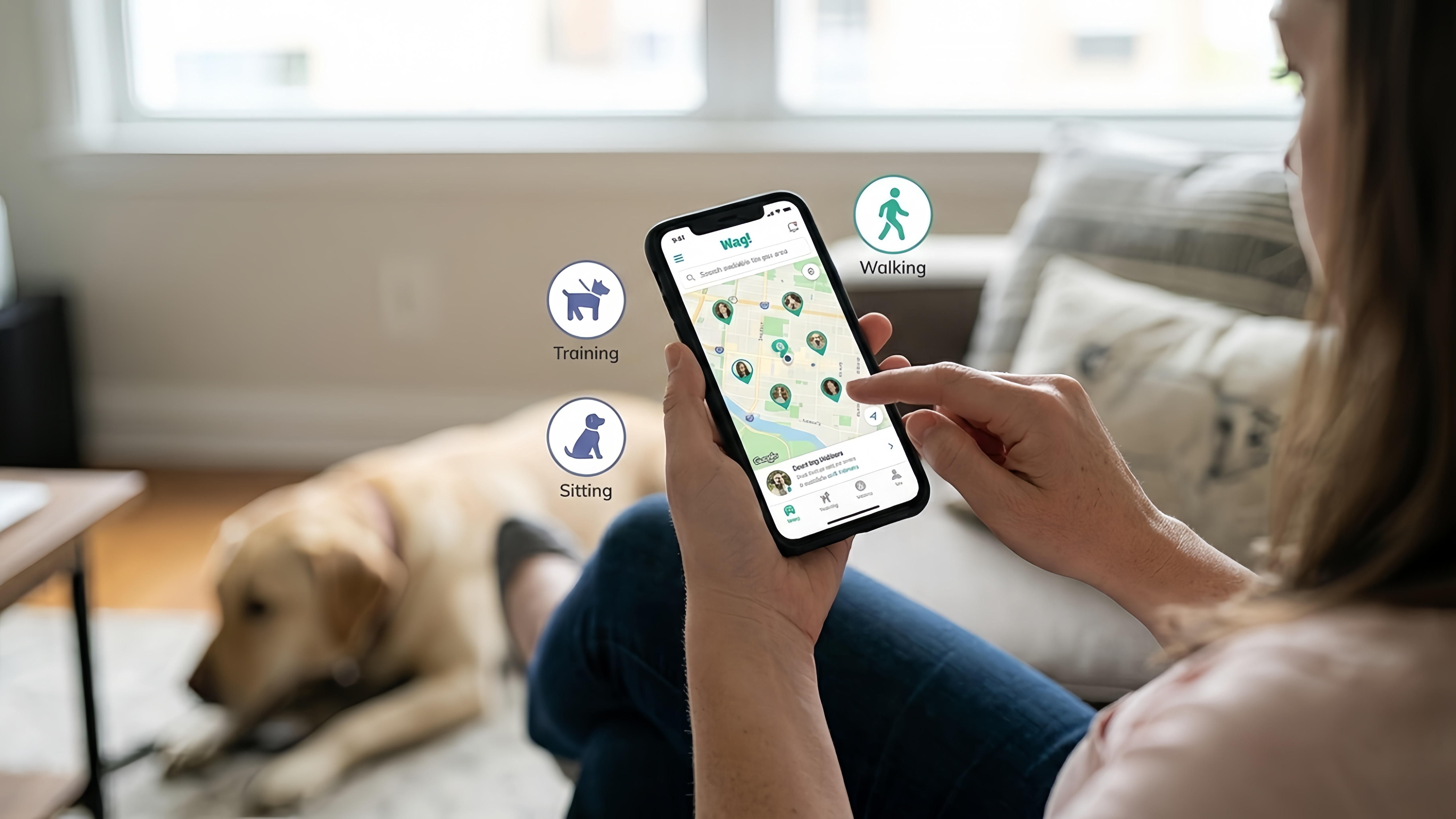
Often dubbed the "Uber for Dogs," Wag! has expanded its service offerings far beyond on-demand walking to include professional training and behavioral consultations.
Wag! excels at convenience. If you are looking for on-demand or scheduled professional help, the app’s interface is designed for rapid booking. We found that the platform is especially useful for pet parents who are already using Wag! for walking and want to consolidate their pet care services. Like Rover, Wag! requires its pet caregivers—including trainers—to pass a comprehensive background check before they are activated on the platform.
Pros:
Ease of Use: Highly polished, mobile-first interface makes booking trainers as simple as booking a walk.
Nationwide Reach: Available in over 4,600 cities across all 50 U.S. states.
Comprehensive Care: Convenient for managing training, walking, and sitting in one centralized app.
Cons:
Focus on Volume: May have fewer high-level behavioral specialists compared to niche training platforms.
Independent Contractors: Quality can vary; always review trainer-specific ratings.
Pricing: Free to download; service fees depend on booking.
Not every behavioral challenge requires an in-person trainer. Many common issues—such as leash pulling, crate training, excessive barking, and basic obedience—can be effectively addressed through virtual coaching with an experienced professional. That’s where GoodPup stands out.
Unlike marketplace platforms, GoodPup focuses exclusively on dog training. The platform pairs pet parents with professional trainers for one-on-one video coaching sessions that take place in the environment where the dog actually lives and behaves.
During testing, we found the virtual format surprisingly effective. Trainers can observe the dog’s real-world environment and identify triggers that might not appear in a training facility. Sessions are supplemented with personalized homework, progress tracking, and messaging support between appointments.
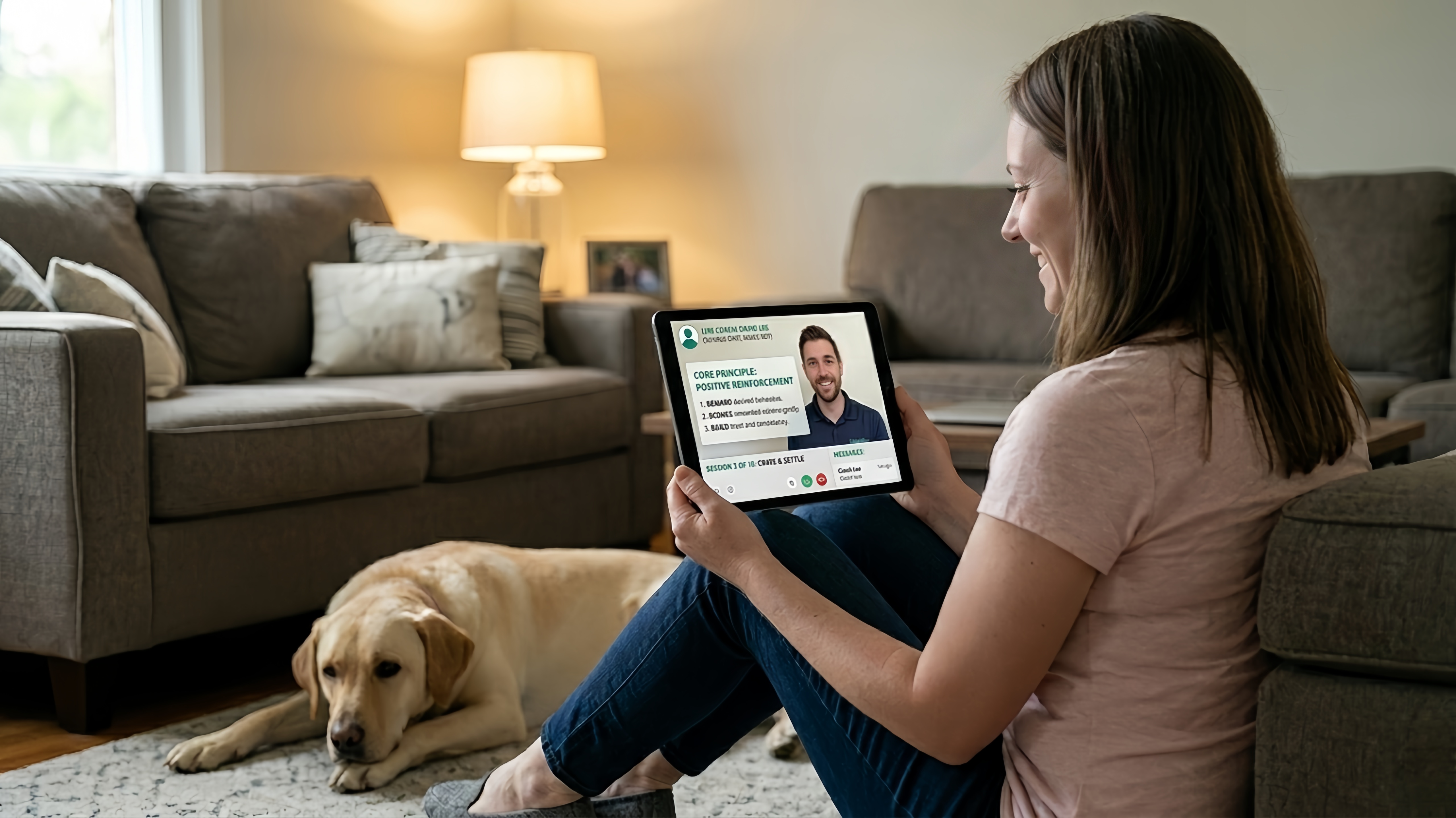
Another advantage is accessibility. Rather than being limited to local trainers, you can work with certified professionals nationwide, which is especially valuable for owners in rural areas or those seeking help with specific behavioral concerns. GoodPup emphasizes positive reinforcement methods and structured training plans, making it a strong option for both new puppy owners and experienced dog parents.
Pros:
One-on-one virtual coaching from professional trainers.
Convenient home-based training environment.
Ongoing messaging support between sessions.
Available nationwide regardless of local trainer availability.
Cons:
Not ideal for every severe behavioral case.
Requires consistent owner participation and follow-through.
Subscription-based model can become costly over time.
Pricing: Free to download; training plans require a paid subscription.
Finding the right dog trainer is about more than convenience—it’s about finding someone whose experience, training philosophy, and communication style match your dog’s specific needs.
For most pet parents, Rover offers the best overall balance of accessibility, trainer verification, and ease of booking. The platform makes it relatively simple to compare professionals, review credentials, and communicate directly before committing to a training plan. It’s ideal for routine obedience, puppy manners, and basic behavioral guidance.
If convenience is your top priority and you’re already using pet-care services such as walking or boarding, Wag! provides an easy way to manage multiple aspects of your dog’s care within a single app. While it may not specialize in complex behavioral issues, its integration of services makes pet ownership simpler for busy households.
However, if you’re looking for a more structured learning experience with ongoing coaching and accountability, GoodPup is the standout choice. Its one-on-one virtual sessions bring professional guidance directly into your home, making it especially useful for puppy training, everyday obedience, and common behavioral challenges.
Ultimately, the best platform depends on the complexity of your dog’s needs. For routine training and behavior improvement, Rover or GoodPup will meet the needs of most households. For more serious issues involving aggression, severe anxiety, or safety concerns, consider seeking a certified behavior consultant or veterinary behaviorist in addition to using these apps.
The most important step isn’t choosing the perfect platform—it’s getting professional help early. Behavioral issues are often easier to address when they’re small, and the right guidance can strengthen the bond between you and your dog for years to come.