
Visiting a single national park is relatively straightforward. Planning a road trip that includes Yellowstone, Grand Teton, Bryce Canyon, Zion, Arches, Canyonlands, and several national monuments is a completely different challenge.
The biggest problem isn't choosing destinations. It's visualizing the route, organizing reservations, estimating drive times, tracking park entrances, and understanding how each stop fits into the broader itinerary.
Traditional navigation apps are excellent for getting from Point A to Point B. They are far less effective when travelers need to manage a two-week journey spanning multiple parks, monuments, scenic byways, lodging reservations, and activity plans.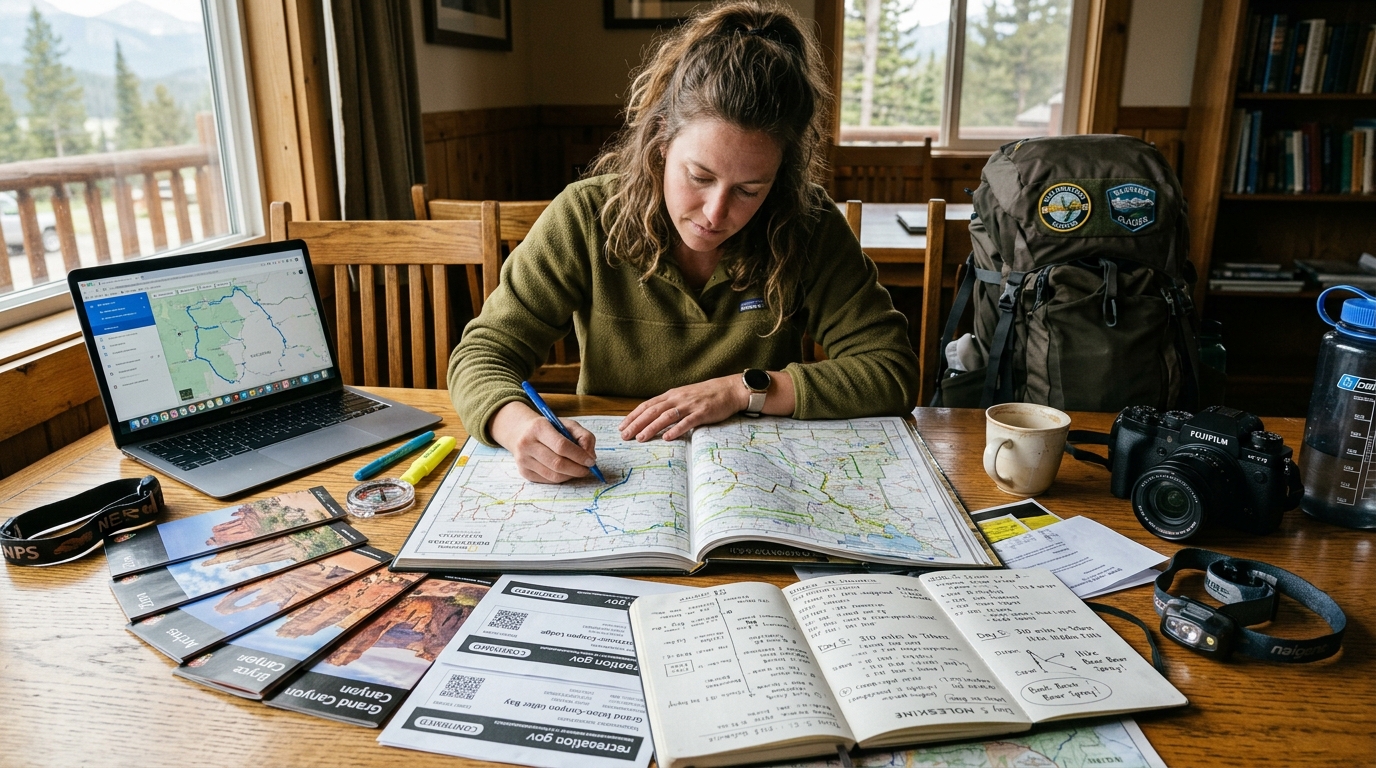
To identify the most useful tools for planning multi-stop national park adventures, several trip-planning apps were evaluated using four key criteria:
Route visualization capabilities
Multi-stop itinerary management
National park travel usefulness
Overall value for road-trippers
The following apps consistently delivered the strongest results.
Roadtrippers remains one of the strongest road-trip planning platforms available today.
Its biggest advantage is route visualization. Travelers can build an itinerary across multiple states, view attractions directly on the route, estimate driving times, and identify worthwhile stops between major destinations.
During testing, Roadtrippers proved particularly effective for national park itineraries because it helps travelers understand not only where they are going, but what lies between those destinations.
For multi-park journeys through the American West, this capability significantly improves planning efficiency.
Outstanding route visualization
Built specifically for road trips
Excellent attraction discovery tools
Strong multi-stop itinerary management
Available on both major platforms
Premium subscription unlocks the most useful features
Can surface more attractions than some users need
Less detailed for reservation management
Free download with optional subscription plans.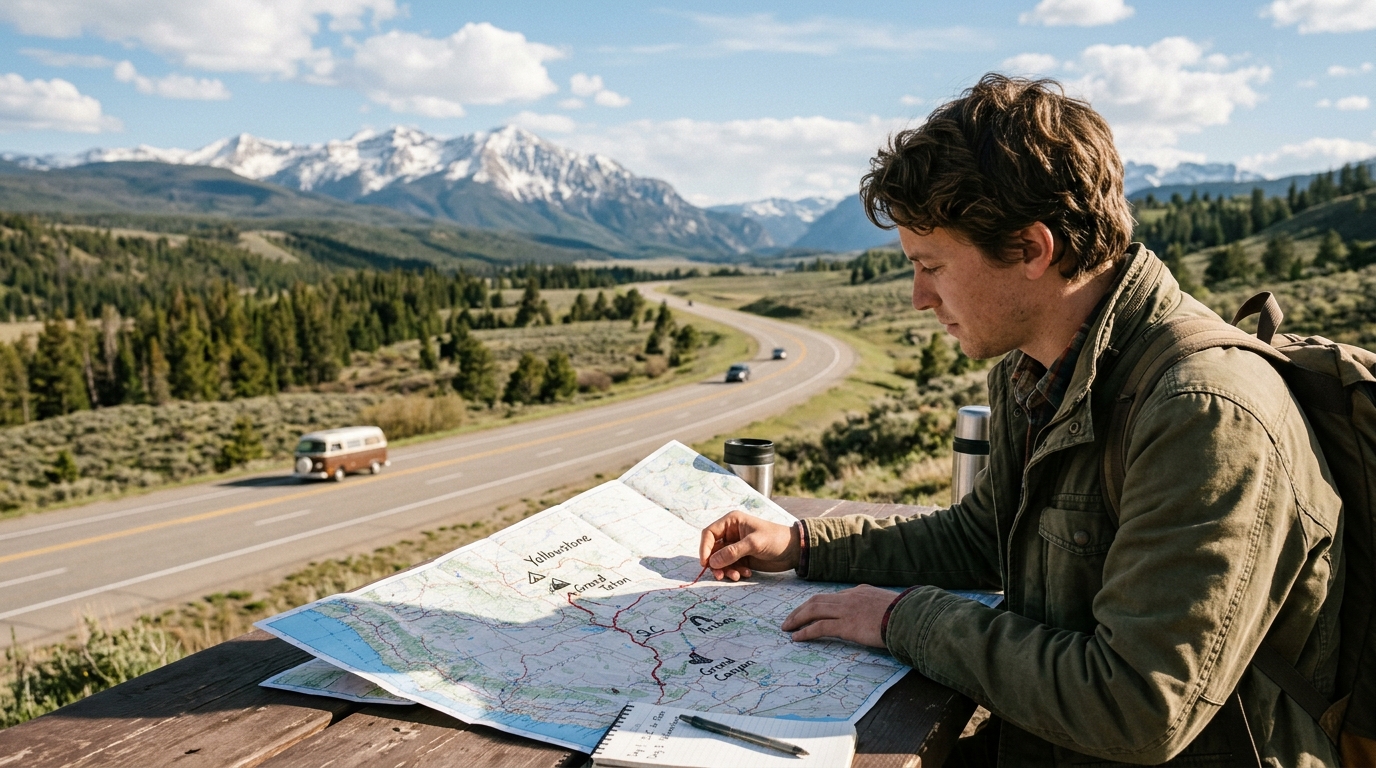
Wanderlog excels at organizing complex itineraries.
Rather than focusing exclusively on navigation, the app allows travelers to build detailed trip schedules, organize lodging, track reservations, add attractions, and visualize an entire journey on an interactive map.
During testing, Wanderlog handled large national park itineraries particularly well because it combines planning and organization in a single platform.
For travelers coordinating accommodations, timed-entry permits, tours, and multiple travelers, it proved exceptionally useful.
Excellent itinerary management
Interactive trip maps
Reservation organization tools
Collaboration features for group travel
Route discovery is less robust than Roadtrippers
Advanced features require a subscription
Can feel complex for shorter trips
Free download with optional subscription plans.
The official National Park Service app serves a completely different purpose from most trip-planning tools.
Instead of building routes, it provides official park information, maps, alerts, accessibility details, visitor center information, and operating updates directly from the National Park Service.
During testing, it consistently became the most trusted source for park-specific information after the broader itinerary had already been planned.
For travelers visiting multiple national parks and monuments, having official information readily available proved invaluable.
Official National Park Service information
Downloadable park content
Detailed maps and alerts
Free and ad-free
Not designed for route planning
Limited itinerary-building tools
Focuses only on NPS-managed sites
Free.
Google Maps remains an essential companion app for virtually every road trip.
Although it is not a dedicated itinerary planner, its navigation accuracy, real-time traffic information, business listings, and route calculations make it indispensable during execution.
During testing, it consistently handled day-to-day navigation better than specialized travel apps.
Its strength is operational rather than strategic.
Excellent navigation
Real-time traffic updates
Reliable routing
Extensive destination information
Free
Limited itinerary management
Not designed for long-term trip planning
Multi-stop route visualization remains basic
Free.
Many national park trips succeed or fail based on reservations.
Campgrounds, timed-entry permits, wilderness permits, tours, and other high-demand experiences increasingly require advance booking. Recreation.gov serves as the primary reservation platform for many federal recreation sites.
During testing, it became one of the most important planning tools because it directly affects access to some of America's most popular destinations.
Ignoring reservation logistics can derail an otherwise perfect itinerary.
Official reservation platform
Essential for many federal recreation sites
Mobile booking capabilities
Useful trip-management features
Not a route-planning app
Availability can disappear quickly
Limited discovery tools
Free app. Reservation and permit fees vary by activity.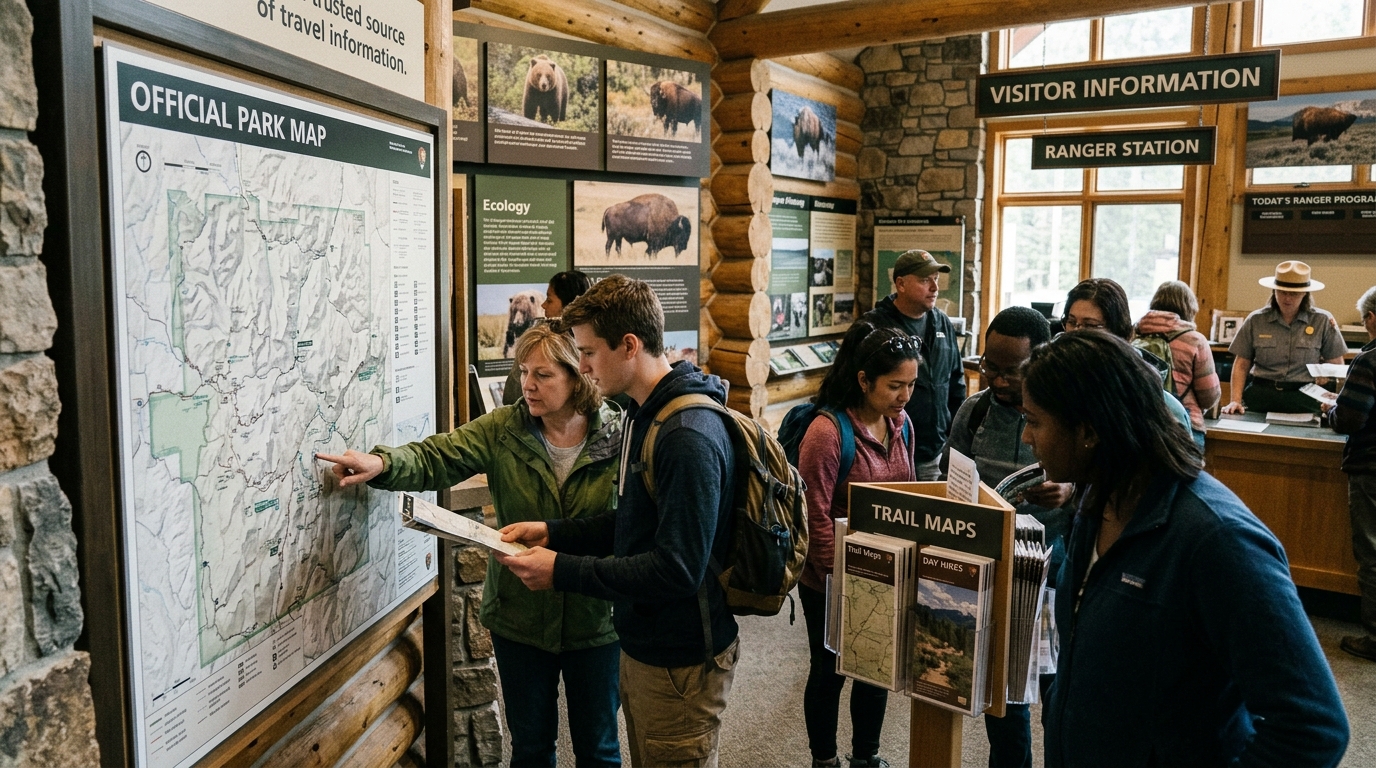
For travelers planning ambitious road trips involving multiple national parks and monuments, Roadtrippers emerged as the strongest overall choice.
Its route visualization tools, attraction discovery capabilities, and road-trip-first design make it particularly effective for understanding how numerous destinations fit together within a single journey.
However, no single app fully solves every planning challenge.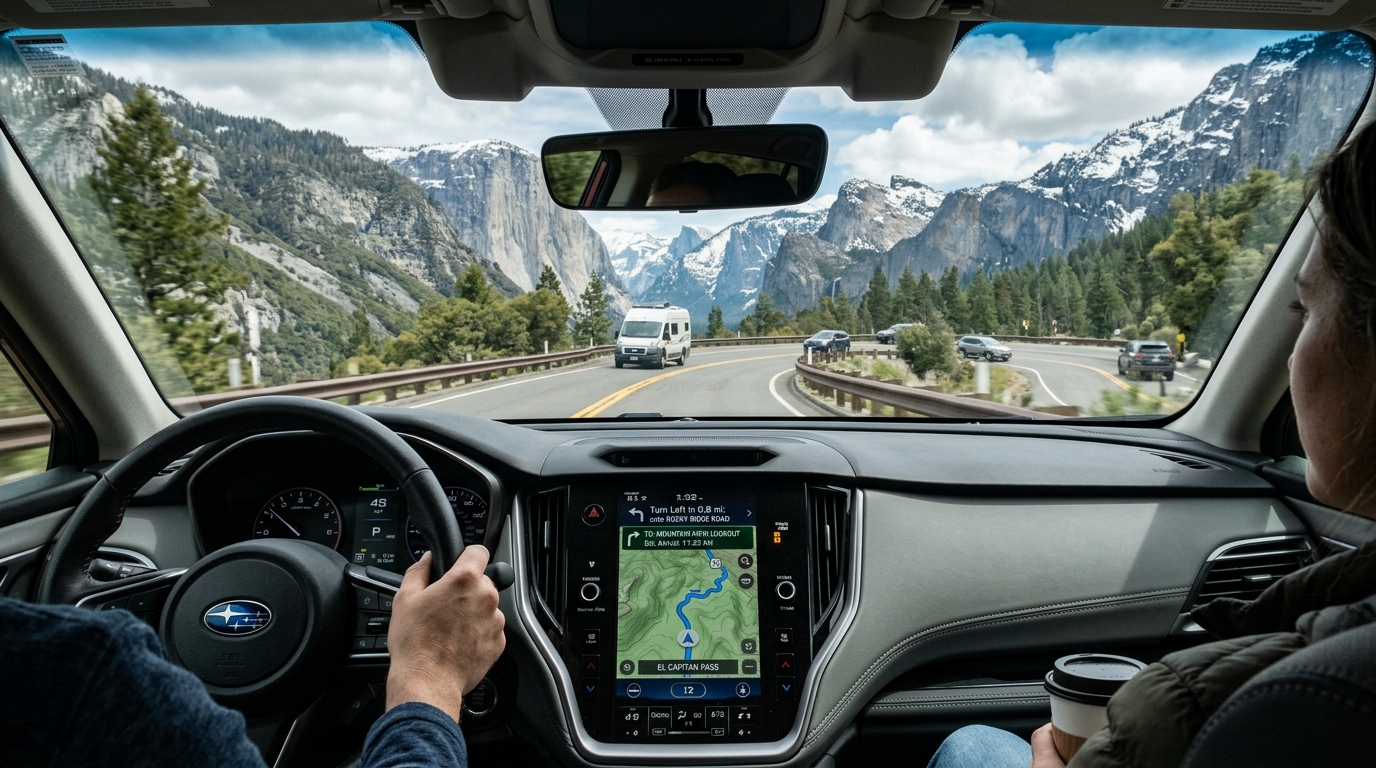
The most effective combination during testing was:
Roadtrippers for route planning and stop discovery
Wanderlog for itinerary organization and reservations
National Park Service App for official park information
Recreation.gov for permits and campground reservations
Google Maps for real-time navigation
Together, these apps provide a comprehensive toolkit for planning and executing complex national park adventures across the United States.
For travelers hoping to connect iconic destinations such as Yellowstone, Glacier, Rocky Mountain, Zion, Bryce Canyon, Arches, Grand Canyon, and dozens of national monuments into a single unforgettable road trip, that combination consistently delivered the smoothest planning experience and the fewest surprises on the road.