
Designing a beautiful garden is easy on paper. Designing one that actually thrives through changing seasons is much harder.
Many homeowners discover this the hard way. A flower bed that looks perfect in spring may become overcrowded by midsummer. Vegetables that need full sun get planted in partial shade. Perennials end up competing for space, and seasonal succession planting turns into guesswork.
The best garden-planning apps solve these problems before a single hole is dug. They help gardeners visualize layouts, understand sunlight requirements, track seasonal planting windows, and build gardens that perform well throughout the year.
To identify the strongest options available in 2026, the evaluation focused on:
Garden layout visualization
Sunlight and spacing planning
Seasonal planting guidance
Long-term garden management
Ease of use for homeowners
Pricing
Free version available
Premium subscription available
Lifetime purchase option available
The Reality Check: What Actually Works?
Among all the apps tested, Planter came closest to solving the actual garden-planning problem.
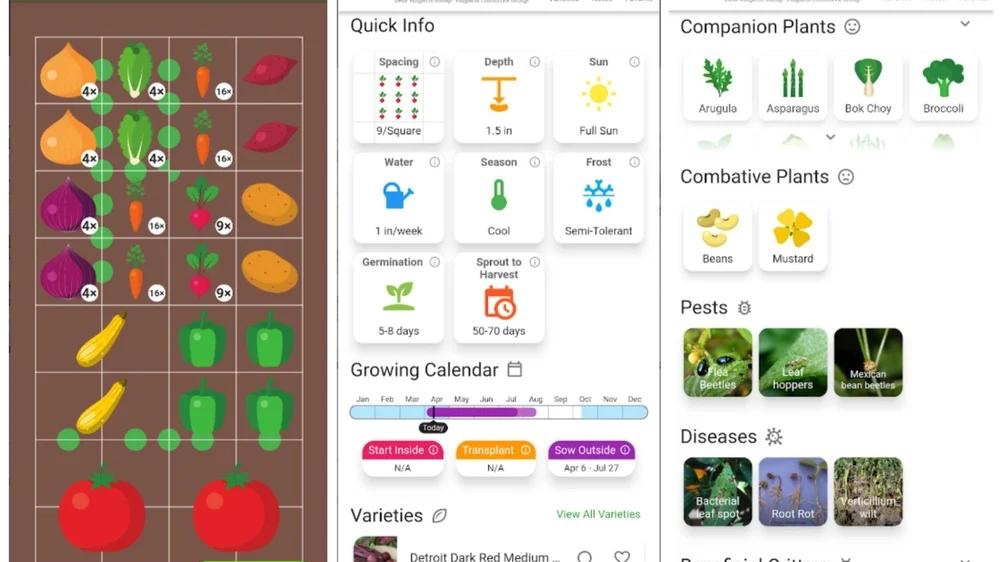
Instead of simply tracking plants, it allows users to create visual garden layouts using drag-and-drop garden beds. The app includes spacing recommendations, companion planting guidance, and planting calendars based on growing schedules. It also helps users determine when to start seeds, transplant seedlings, and harvest crops throughout the season.
When planning a vegetable garden from scratch, the visual grid system proved especially useful for preventing overcrowding months later.
Pros
Excellent visual garden planner
Companion planting guidance
Seasonal planting schedules
Supports custom plants
Useful for beginners and experienced gardeners
Cons
Premium features require payment
Focuses more on edible gardens than ornamental landscaping
Limited 3D visualization
Verdict
The best overall app for planning gardens around spacing, sunlight exposure, and seasonal planting cycles.
Pricing
Free download
Subscription plans available
The Reality Check: What Actually Works?
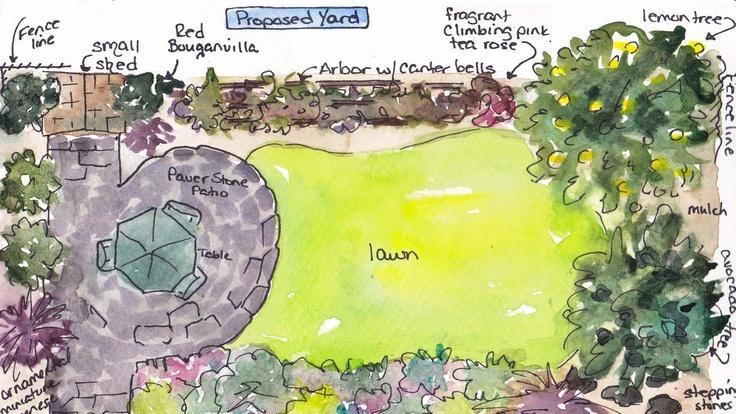
For homeowners focused on landscaping rather than vegetables, iScape remains one of the strongest visualization tools available.
During testing, users could place trees, shrubs, flower beds, patios, walkways, and landscape features directly onto photos of their property. This makes it significantly easier to understand how a design will look before purchasing plants.
While it does not provide the planting-calendar depth of Planter, its visual planning capabilities are among the best available on mobile devices.
Pros
Excellent property visualization
Easy photo-based design tools
Useful for landscape renovations
Helps estimate space requirements
Professional-looking results
Cons
Subscription costs can add up
Less focused on seasonal crop planning
Advanced features require premium access
Verdict
The strongest choice for landscape-focused homeowners.
Pricing
Free version available
Premium subscription available
The Reality Check: What Actually Works?
Gardenize approaches gardening from a different angle.
Instead of emphasizing design alone, it helps users build a searchable digital garden journal. Gardeners can document what was planted, where it was planted, how much sunlight it receives, and how it performed throughout the year. The app includes plant databases, reminders, notes, photos, and seasonal tracking features.
When testing long-term planning workflows, Gardenize proved especially valuable because it helps gardeners learn from previous seasons.
Pros
Excellent garden journal
Strong plant tracking tools
Supports photos and notes
Seasonal documentation
Useful reminders
Cons
Less layout-focused than Planter
Visualization tools are limited
Premium tier unlocks important features
Verdict
One of the best apps for improving future garden designs through historical records.
Pricing
Free version available
Premium subscription available
The Reality Check: What Actually Works?
Planta is often marketed as a plant-care app, but its light-analysis tools are what make it valuable for garden planning.
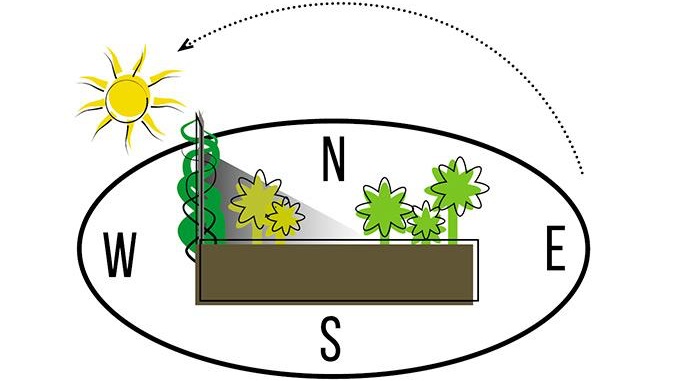
During testing, the app helped identify areas with varying sunlight exposure and provided recommendations for plant placement based on lighting conditions. This is particularly useful when planning mixed gardens that include shade-loving and sun-loving plants.
The care reminders and plant database add long-term value after installation.
Pros
Helpful light assessment tools
Large plant database
Plant identification features
Strong care reminders
Beginner-friendly
Cons
Not a true landscape designer
Subscription needed for many advanced features
Better for plant selection than layout design
Verdict
Excellent for matching plants to real-world sunlight conditions.
Pricing
Free plan available
Premium subscription available
The Reality Check: What Actually Works?
Seasonal timing is where many garden projects fail.
Seedtime focuses heavily on planting calendars, task scheduling, and crop timelines. During testing, it excelled at showing when seeds should be started, when transplants should move outdoors, and when harvest windows were likely to occur.
For gardeners managing multiple planting cycles throughout the year, this planning functionality proved extremely useful.
Pros
Excellent planting schedules
Seasonal workflow management
Task automation
Good for vegetable gardeners
Easy-to-understand calendar system
Cons
Less visual than Planter
Limited landscaping tools
Premium features require subscription
Verdict
One of the best tools for seasonal garden planning.
The ideal app depends on what type of garden is being planned.
Best Overall Garden Planning App
Planter: Garden Planner
Its combination of visual layouts, companion planting guidance, spacing recommendations, and seasonal planting schedules makes it the strongest all-around choice.
Best for Landscape Design
iScape
The most useful visualization tool for homeowners redesigning outdoor spaces.
Best for Seasonal Record Keeping
Gardenize
Excellent for tracking what worked and what failed across multiple growing seasons.
Best for Sunlight-Based Plant Selection
Planta
Particularly helpful when matching plants to real-world lighting conditions.
Best for Seasonal Scheduling
Seedtime
An outstanding choice for gardeners who want detailed planting calendars and workflow management.
For most homeowners in 2026, the most effective combination is Planter for layout design, Planta for light analysis, and Gardenize for long-term tracking. Together, these apps make it far easier to create a garden that not only looks good on day one, but continues to thrive through every season of the year.