
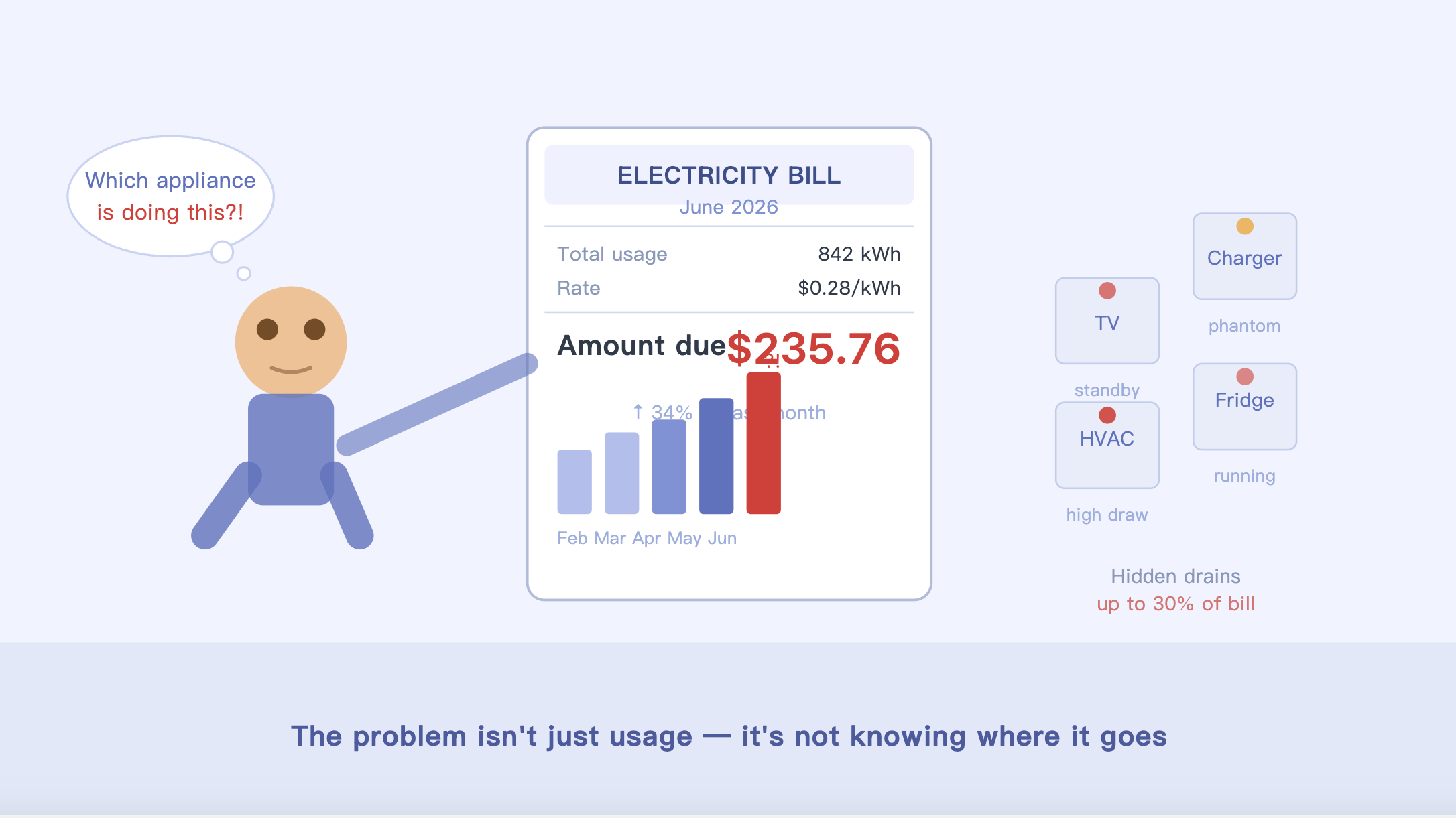
Staring at an ever-rising electricity bill is a frustration almost every homeowner shares. But the problem is rarely just how much you’re using—it’s how little you actually know about your energy consumption. Which appliances are secretly running up your bill? How do daily habits impact both costs and your carbon footprint? For years, the answer required combing through clunky utility portals or guessing at “phantom loads.” In 2026, the landscape has shifted: intuitive, data-rich mobile apps now put power management—literally—back in your hands.
We spent the last few months testing the top home energy management tools available on both the Apple App Store and Google Play Store. Our evaluation focused on three key criteria: ease of setup, accuracy of appliance-level tracking, and actionable insights to help save energy and money. Whether you want to optimize solar production, identify energy-hogging appliances, or simply cut costs, these apps deliver real results.
Pricing: Free app (requires purchase of Sense Home Energy Monitor hardware, ~$299)
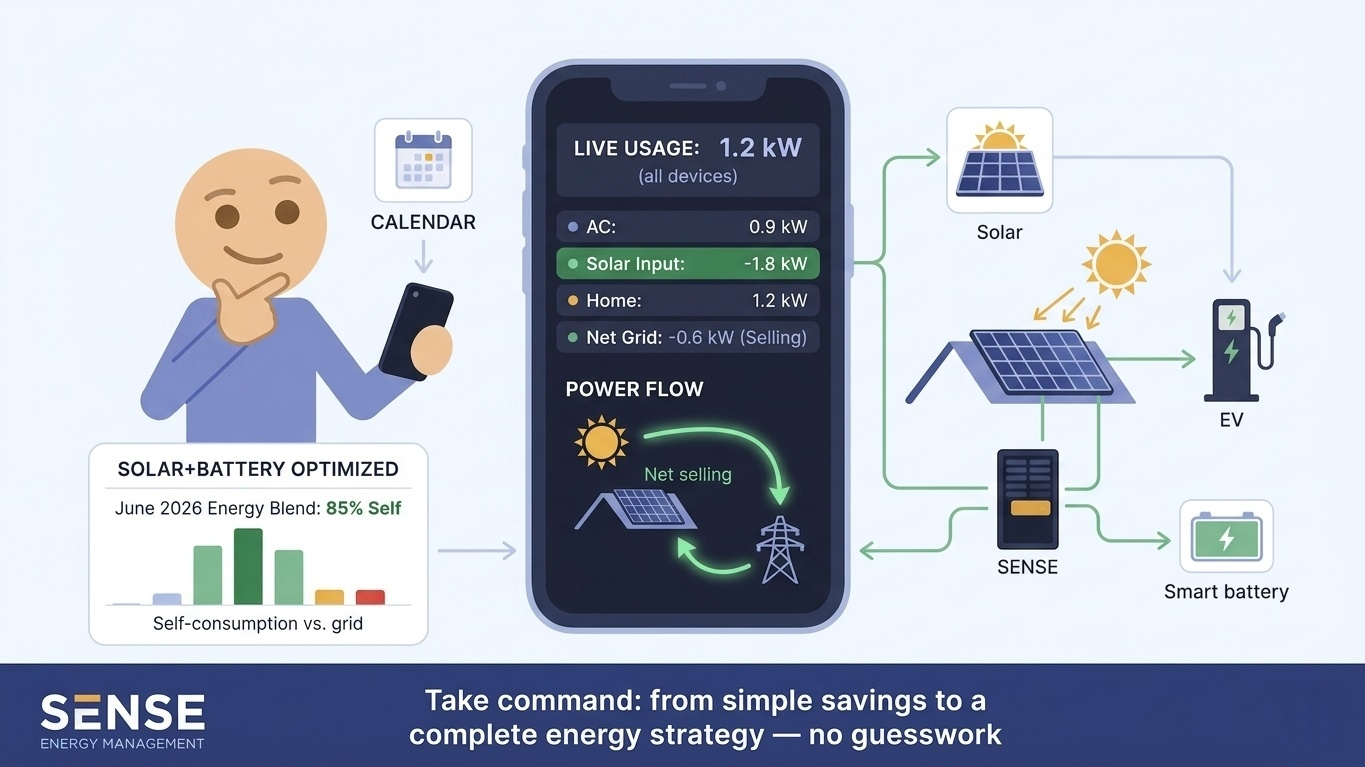
Sense is widely regarded as the gold standard for in-depth energy tracking. Unlike simple usage monitors, Sense uses high-resolution sampling to identify the unique “electrical signature” of devices in your home.
During our tests, Sense accurately recognized major appliances like HVAC units, refrigerators, and even small devices like hair dryers after a short learning period. It transforms a single home power feed into a categorized list, showing exactly when each appliance is drawing energy. Alerts notify you if an appliance is behaving unusually—helpful for preventing safety issues or spotting equipment inefficiencies.
Pros:
AI-powered appliance detection identifies individual devices automatically.
Real-time monitoring with clear dashboards.
Safety notifications for unusual appliance behavior.
Cons:
Requires professional installation of hardware in your electrical panel.
AI learning curve means it isn’t fully accurate immediately.
Sense is ideal for homeowners who want granular insights and are willing to invest in hardware to gain full control over their energy footprint.
Pricing: Free (basic version); optional “Energy+” subscription for advanced features
HomeWizard Energy offers a modular, versatile approach to home energy management. It connects to smart devices such as plugs, meters, and solar panels to provide a unified overview of electricity, water, and gas usage.
HomeWizard shines in automation. During testing, we linked a smart socket to run the dishwasher only during off-peak hours, significantly reducing costs. It also integrates dynamic energy pricing for users on variable-rate plans, automatically triggering appliances to run when electricity is cheapest.
Pros:
Supports dynamic electricity pricing for savings.
Comprehensive tracking of electricity, water, gas, and solar output.
Automation features to optimize energy use without manual intervention.
Cons:
Requires additional hardware for full functionality.
Premium features like unlimited data storage are subscription-based.
HomeWizard is perfect for users who already have smart devices and want to integrate them into a cohesive energy management ecosystem.
Pricing: Free
Energy Consumption Analyzer focuses on “phantom loads”—energy consumed by idle devices or appliances left plugged in. This hidden energy usage can account for up to 30% of your monthly electricity bill.
This app links to smart meter data where available, providing a clear picture of standby power consumption. Its intuitive dashboards and “EcoMeter” guide users to run high-energy tasks during greener, lower-carbon-intensity times. For households without hardware, it still offers manually logged appliances and estimated savings suggestions.
Pros:
Works with existing smart meters; no extra hardware needed in many cases.
Phantom load tracking shows exactly where energy is being wasted.
Free to use, providing actionable insights for energy-conscious users.
Cons:
Compatibility depends on utility provider support.
Less detailed than hardware-based solutions like Sense.
This app is ideal for budget-conscious homeowners who want immediate insight into unnecessary energy usage without investing in additional hardware.
Pricing: Free (with optional in-app upgrades)
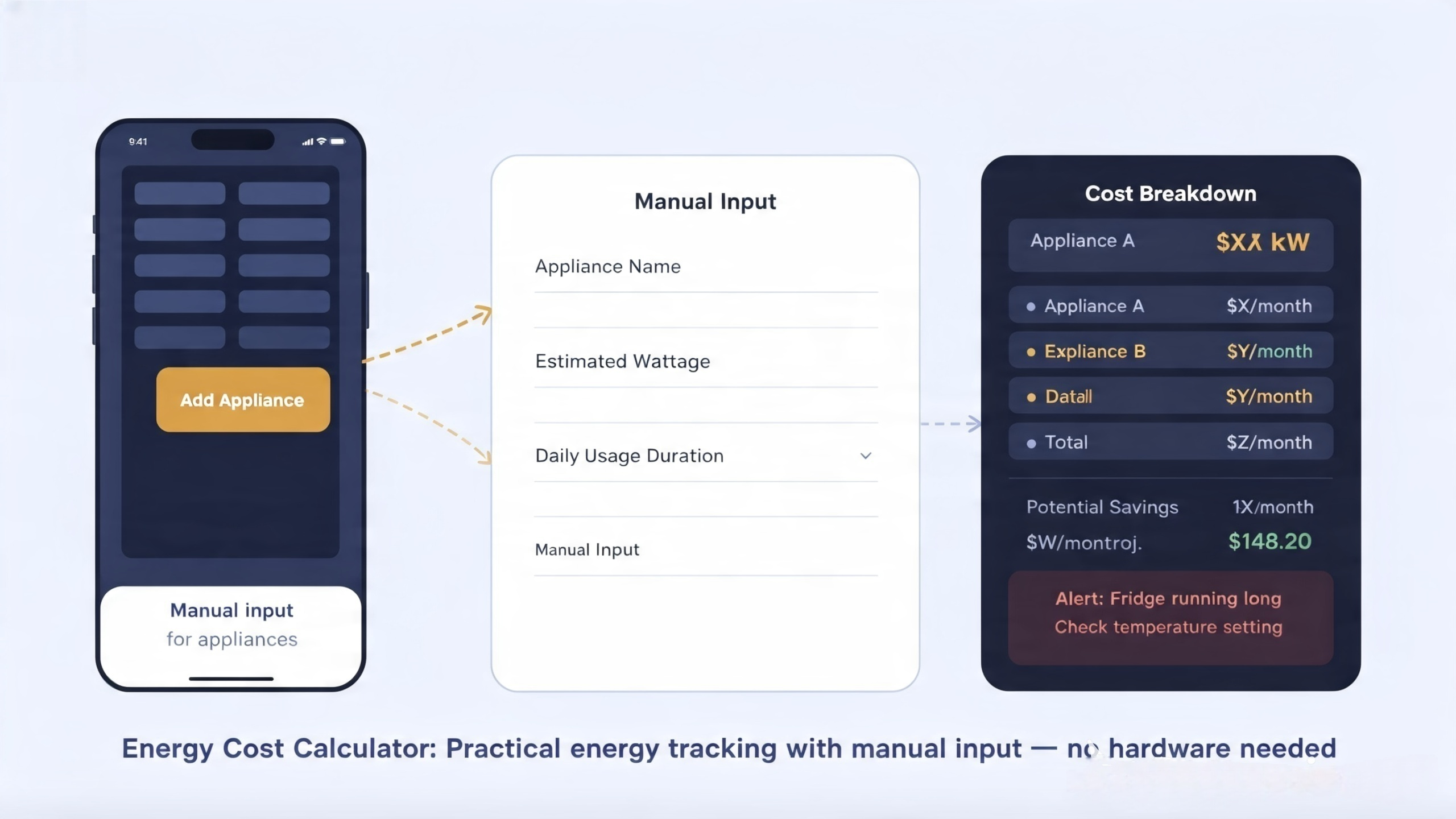
For homeowners or renters who want a simple, no-hardware approach to tracking energy usage, Energy Cost Calculator is a practical solution. Unlike AI-based systems, it relies on manual input, letting you log appliances, estimated wattage, and usage duration to calculate costs and spot energy drains.
During testing, we found this app useful for identifying which devices were costing the most in your household—even without installing hardware or connecting to smart meters. You can categorize appliances, run cost estimates, and experiment with usage changes to see potential savings. It’s especially helpful for budgeting in apartments or rental properties where installing hardware-based systems isn’t an option.
Pros:
No hardware required; works anywhere.
Provides clear cost breakdowns for individual appliances.
Simple, intuitive interface; ideal for quick estimates and experimentation.
Cons:
Requires manual data entry, which can be time-consuming.
Accuracy depends on the precision of your inputs.
When it comes to home energy management in 2026, the “best” app depends on your goals and setup:
Sense Home is unmatched for homeowners seeking real-time, appliance-level insights and AI-powered monitoring. It’s the most hands-off, precise solution but requires hardware installation.
HomeWizard Energy shines for those who want a fully integrated smart home ecosystem that can automate energy use across multiple devices.
Energy Consumption Analyzer is perfect for spotting phantom loads and tracking usage via your smart meter without any extra equipment.
Energy Cost Calculator is a practical alternative for renters or budget-conscious users who need a manual, flexible way to understand costs and make adjustments.
Ultimately, the key is visibility and consistency. Tracking your usage—whether through AI-driven insights or simple manual logs—lets you make informed decisions, cut unnecessary consumption, and even reduce your carbon footprint. Combine the right app with mindful habits, and you can turn your energy bills from a monthly headache into a source of actionable data and measurable savings.