
Building a community around a social cause isn't just about bringing people together. It's about creating a space where people feel comfortable showing up, speaking honestly, and trusting the people on the other side of the screen.
That's where things get complicated.
Public social networks make it easy to gather people quickly, but they often come with trade-offs: unwanted attention, spam, questionable privacy practices, and the nagging feeling that sensitive conversations are happening in a space designed primarily for advertising. On the other end of the spectrum, enterprise-grade collaboration tools can feel so complex that volunteers, supporters, and community members simply stop participating.
Most cause-driven organizations don't need either extreme.
They need a platform that's easy to join, simple to manage, and secure enough to protect the people who rely on it. Whether you're coordinating neighborhood advocacy efforts, organizing disaster-relief volunteers, running a mutual-aid network, or facilitating a support community, communication has to be both accessible and trustworthy.
With that in mind, we looked at several native mobile apps that balance privacy, moderation controls, and day-to-day usability. These are the platforms that stand out.
Many grassroots communities eventually hit the same wall.
What starts as a simple social media group grows into a tangled mess of missed announcements, buried conversations, and endless scrolling. BAND was built to solve exactly that problem.
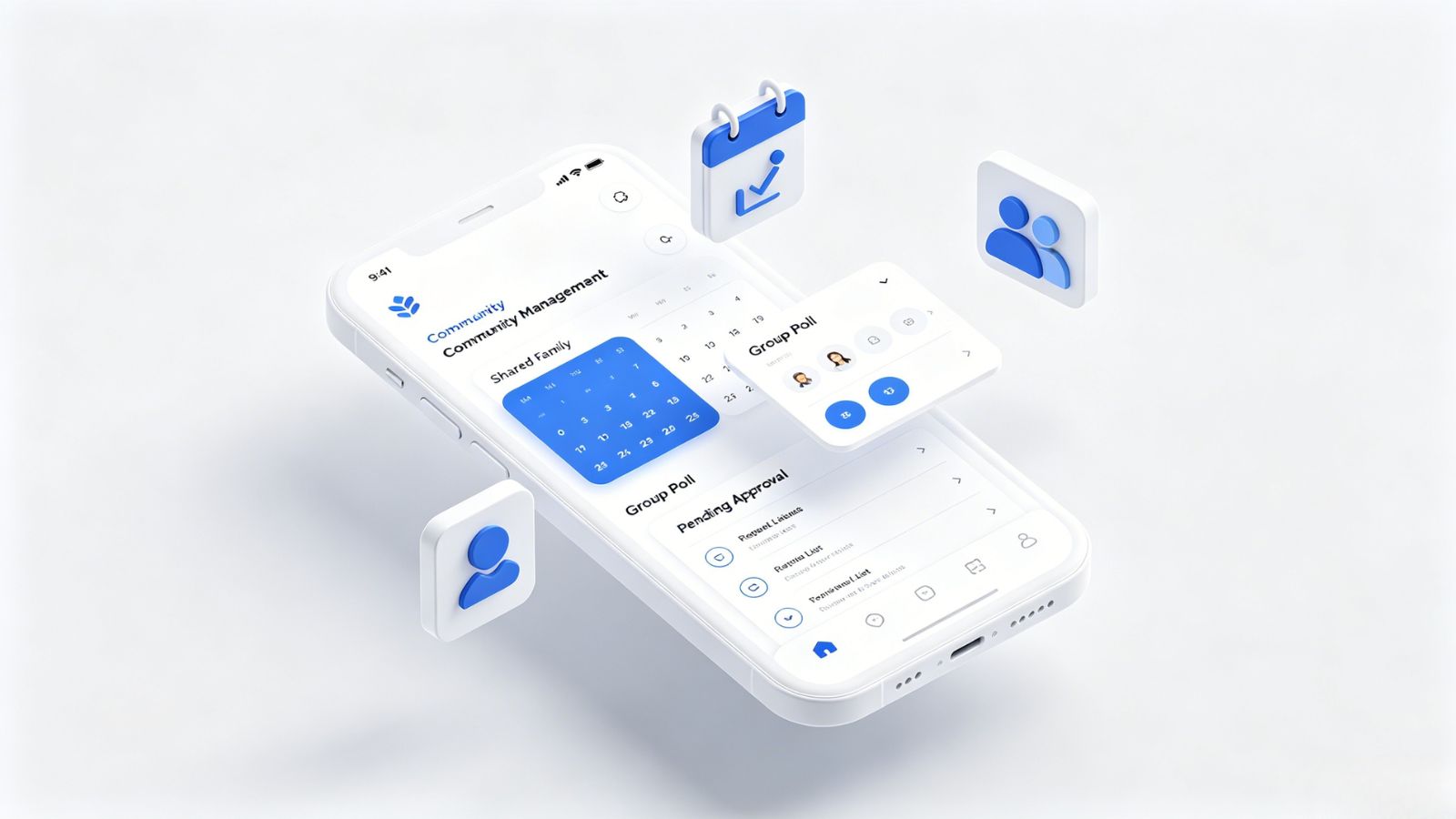
Its biggest strength is control. Groups can be set to private, making them invisible to anyone who hasn't been invited or approved by an administrator. Once inside, admins can decide who can post, who can contact other members, and how information is shared throughout the community.
The experience feels less like a public social platform and more like a dedicated home base. Shared calendars, polls, announcements, files, and group discussions all live under one roof, which helps organizers spend less time chasing information and more time supporting their mission.
For many cause-based organizations, that structure alone is a huge upgrade.
Free
Core community-management features, messaging tools, scheduling functions, and moderation controls are available at no cost. Optional purchases focus primarily on cosmetic extras.
Pros:
Strong organizational toolkit with calendars, file sharing, polls, and announcements.
Flexible privacy and membership controls.
Easy for non-technical members to learn and adopt.
Cons:
Messages are not end-to-end encrypted.
Community data remains stored on BAND's infrastructure.
Includes limited advertising and promotional elements.
If privacy is the non-negotiable requirement, Signal sits in a category of its own.
The app was built from the ground up around secure communication, and that focus shows. Every message, file, image, voice note, and call is protected by end-to-end encryption by default. There are no special settings to enable and no extra subscriptions required. It simply works.
For social-cause groups dealing with sensitive conversations, that matters. Whether members are discussing personal circumstances, coordinating advocacy efforts, or sharing information they don't want exposed to outside parties, Signal offers a level of protection few mainstream platforms can match.
The platform also avoids many of the data-collection practices that have become standard elsewhere. It collects very little information about users and operates through a nonprofit model rather than an advertising business.
The result is a communication space designed around privacy instead of engagement metrics.

Free
No subscriptions, no advertisements, and no monetization through user data. The project is supported through grants and donations.
Pros:
Industry-leading end-to-end encryption.
Minimal data collection and metadata retention.
Open-source codebase that can be independently audited.
Cons:
Registration requires a phone number.
Group participants may see one another's phone numbers, which can create privacy concerns for certain communities.
Sometimes the biggest challenge isn't security—it's participation.
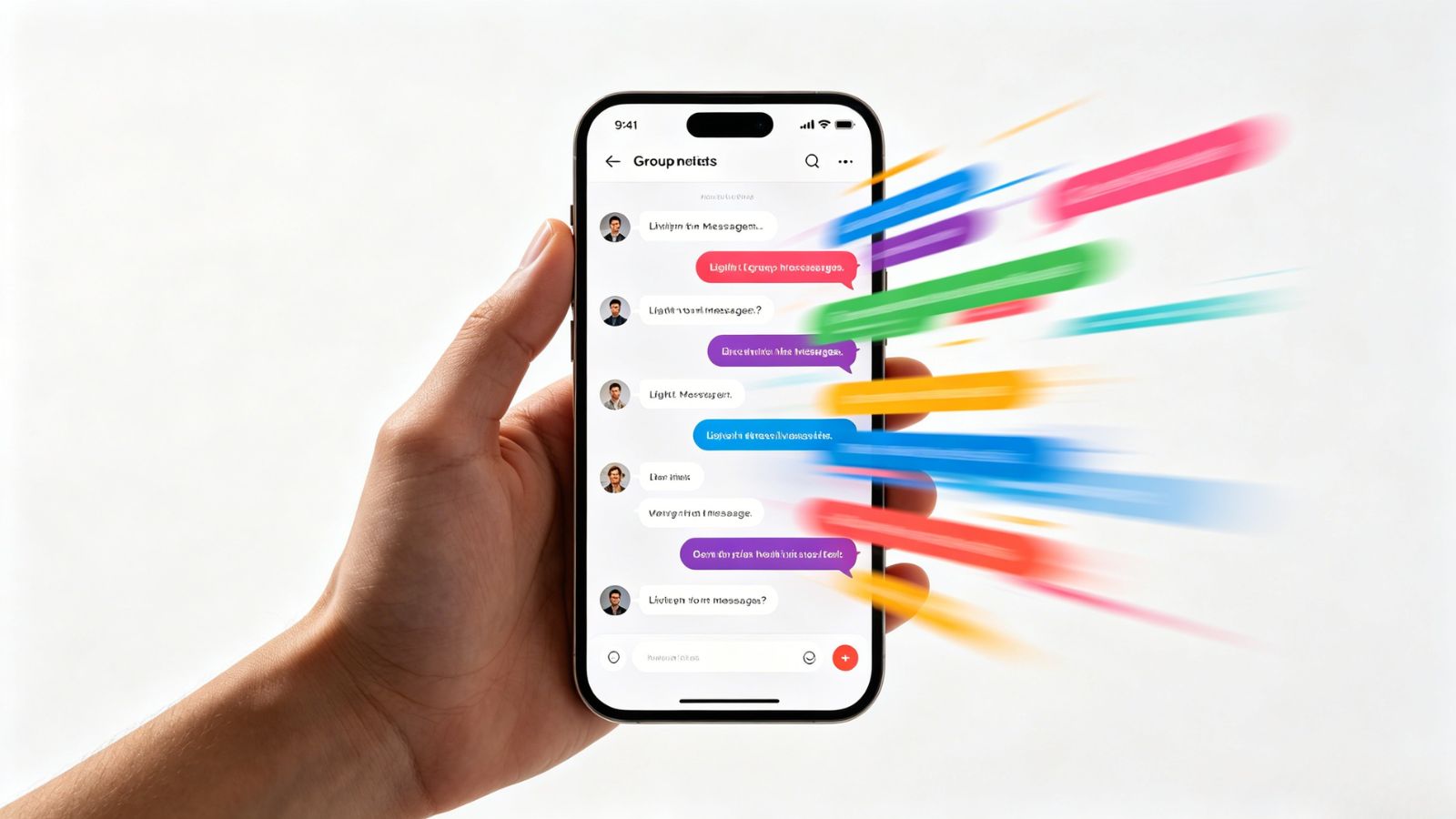
If your community includes people who aren't especially comfortable with technology, GroupMe can be surprisingly effective. Joining a group often takes little more than clicking a link, which dramatically lowers the barrier to entry compared with more specialized platforms.
That simplicity has made GroupMe a long-standing favorite for schools, clubs, volunteer teams, and local organizations that need a communication tool people will actually use.
Admins can manage members, share files, post updates, and coordinate activities without introducing a complicated learning curve. For communities that don't handle particularly sensitive information, that ease of adoption can be more valuable than an extensive feature list.
Free
All core communication features are available without charge.
Pros:
Extremely simple onboarding process.
Fast group creation and expansion.
Reliable messaging and notifications.
Cons:
No end-to-end encryption.
Service providers retain access to stored communications.
Administrative controls are relatively basic compared with dedicated community platforms.
Discord has evolved into something much bigger than a gaming platform.
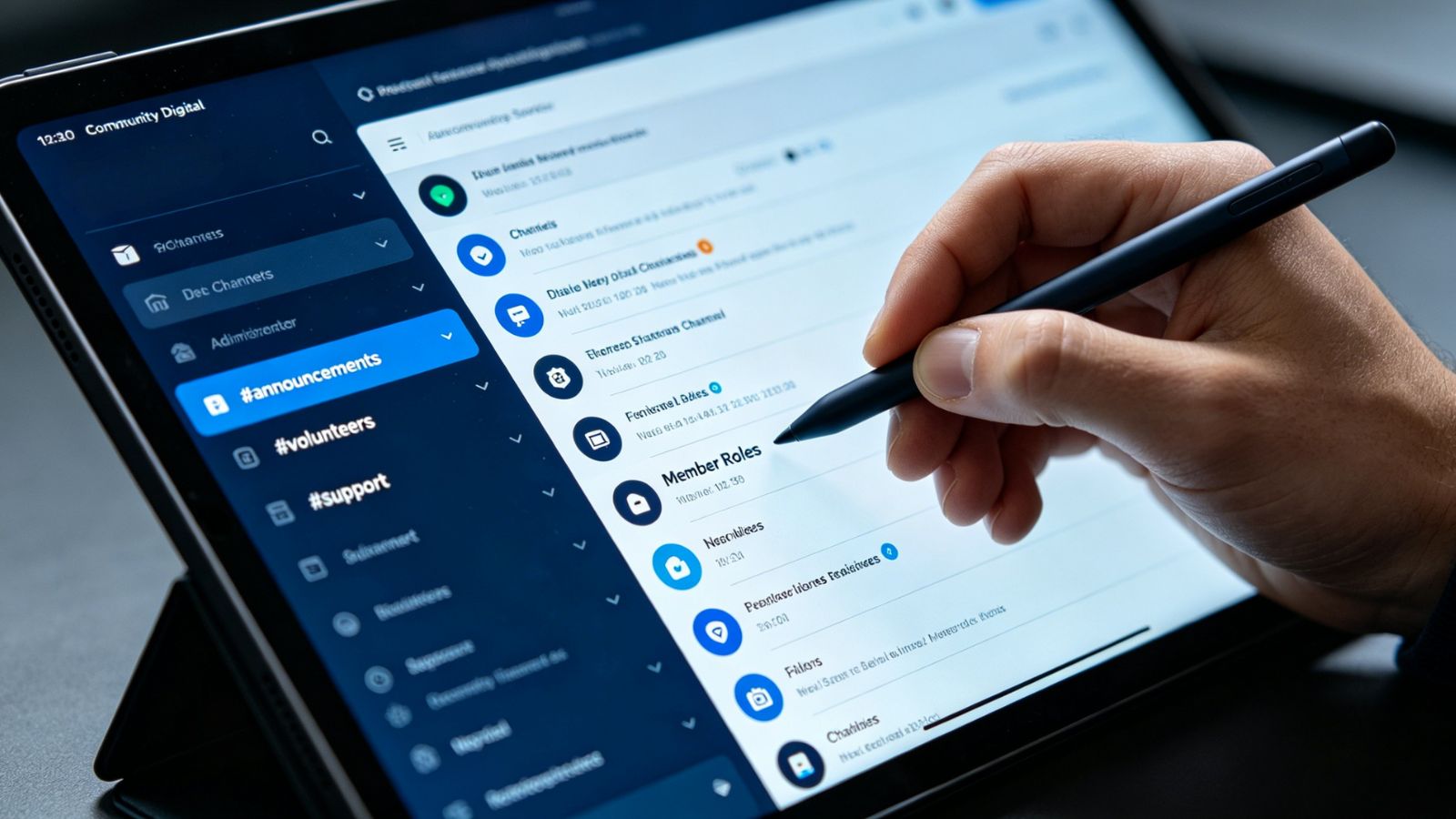
For large or growing social-cause communities, its greatest strength is flexibility. Organizers can create separate channels for announcements, volunteer coordination, resources, event planning, peer support, leadership discussions, and almost anything else they can imagine.
The role system takes that flexibility even further. Members can be assigned different permissions based on their involvement, allowing organizers to control exactly who can view or contribute to specific conversations.
Done well, a single Discord server can function as an entire digital headquarters.
The tradeoff is complexity. New users often need time to understand channels, permissions, roles, and notifications. For highly engaged communities, that's usually worth it. For smaller groups, it can feel like overkill.
Free
The core platform is free. Optional Nitro subscriptions focus on enhanced user features and cosmetic upgrades rather than community-management essentials.
Pros:
Exceptional flexibility and scalability.
Powerful role-based access controls.
Well-suited for large, multifaceted communities.
Cons:
Steeper learning curve than most alternatives.
Can feel overwhelming for members with limited technical experience.
If your community handles sensitive conversations where privacy and confidentiality are paramount, Signal remains the strongest overall choice.
BAND offers excellent organizational features. Discord provides unmatched flexibility for larger communities. GroupMe excels when accessibility and rapid adoption matter most.
But when people are sharing personal experiences, coordinating sensitive initiatives, or discussing issues that genuinely require discretion, privacy isn't just another feature—it becomes the foundation of trust.
That's where Signal stands apart. Its commitment to end-to-end encryption, minimal data collection, and nonprofit governance creates a level of confidence that many social-cause communities simply can't afford to compromise on.
That said, not every group needs maximum encryption. If your primary challenge is keeping volunteers organized, managing events, and maintaining an active community without overwhelming members, BAND may be the more practical choice. It strikes a rare balance between privacy, usability, and organization, giving cause-driven groups a dedicated space that feels structured, welcoming, and easy to manage.